Shipping Firearms UPS: 2026 Guide to FFL Compliance
Master the 2026 rules for shipping firearms ups. Learn essential FFL contract requirements and packaging standards to ensure safe, legal transport every time.
Your WooCommerce store is live. Orders are coming in. Then the first firearm order hits your queue, and the shipping question stops being theoretical.
You're not just choosing a carrier. You're deciding how your business will control one of the highest-risk points in the entire transaction. For a firearms retailer, shipping firearms UPS isn't a fulfillment task. It's a compliance workflow that has to work every time, even when staff changes, orders stack up, and state or carrier rules get messy.
Most articles dump rules on the page and leave you to connect them yourself. That's not enough. A compliant store needs a repeatable process that starts before checkout, continues through order review, and ends with a properly packaged shipment that UPS will accept.
The High Stakes of Shipping Firearms with UPS
A new FFL usually runs into the same problem fast. The sale looks clean. The payment clears. The receiving dealer sends over license information. Then the shipping questions begin.
Automate FFL Shipping Compliance
Block orders to restricted states automatically. 3-day free trial.
Start Free TrialCan this item go by the service level you expected? Does the destination create a restriction issue? Will UPS accept the package under your account setup? If a staff member picks the wrong method or ships to an address that should have been blocked, the mistake doesn't stay inside your warehouse. It follows the package.
The reason UPS and regulators treat this category differently is straightforward. Firearm shipments create public risk if they're misrouted, stolen, or handed off outside the rules. Between 2010 and 2014, more than 6,600 firearms used in crimes were traced back to dealers who said they never received shipments and never reported theft or loss to law enforcement, according to Senator Markey's letters on gun shipment security.
That number should change how you think about fulfillment.
What the risk looks like in practice
The problem usually isn't one dramatic failure. It's a chain of small assumptions:
- A staff member assumes the destination is fine because the state looks permissive, but the local rule is tighter.
- Someone uses a familiar UPS workflow that works for ordinary merchandise, even though firearm products sit under separate carrier controls.
- Packaging gets delegated to warehouse staff who know shipping, but not firearms shipping.
- Order review happens after payment instead of before checkout, so now every bad order becomes a refund, a support issue, or a compliance problem.
Practical rule: If your store relies on memory, spreadsheets, and manual review for regulated shipments, you don't have a process. You have a delay before a mistake.
Why workflow matters more than rule memorization
A lot of merchants approach shipping firearms UPS as a list of isolated requirements. That creates blind spots. The carrier agreement, the FFL transfer rules, the service level, the packaging method, and the destination restrictions all interact.
A good workflow does three things:
- Stops invalid orders before payment
- Forces correct shipping methods by product type
- Documents that your business followed a controlled process
That last point matters. If UPS reviews your account or a shipment goes sideways, you need more than good intentions. You need a system that shows your store didn't improvise.
The professional mindset here is simple. Treat every firearm order as a controlled shipment, not a normal parcel. Stores that build around that idea operate cleaner, train staff faster, and avoid the frantic last-minute decisions that cause most preventable problems.
Free Firearms Compliance Audit
Selling firearms or ammunition? We'll review your WooCommerce store's shipping compliance for free.
Understanding the UPS FFL-Only Shipping Agreement
The first operational fact is the one many new merchants miss. Since August 29, 2022, UPS requires that only FFL holders with a pre-approved contractual agreement may ship Firearm Products, and shippers must give UPS “unlimited discretion” to review books, records, and customer data within 5 business days upon request. UPS also requires sales and shipping employees to complete UPS-specified training on federal and state law, as noted in this industry discussion of the updated UPS framework.
If you don't have that agreement in place, stop there. Packaging advice won't save a shipment UPS won't accept.
What the agreement changes operationally
This isn't just a permissions slip. It changes how your business has to operate.
UPS is telling you that firearm shipping under its network is contract-based, auditable, and tied to your internal controls. That means your WooCommerce store, your customer service team, your order review process, and your shipping desk all need to line up.
The agreement effectively requires you to manage four things at once:
- Licensing status tied to the shipping account
- Recipient verification before label creation
- Internal training for anyone involved in selling or shipping
- Record readiness in case UPS asks for documentation
A lot of merchants think the risk starts when a box leaves the building. It starts earlier, when your store accepts an order it shouldn't have accepted.
The non-negotiable checklist
Before you ship a single regulated order through UPS, have these controls in place:
- A valid FFL workflow: Your internal order handling needs to account for dealer-to-dealer transfer logic and the paperwork that supports it. If your staff needs a refresher on the transaction side, this guide on ATF Form 4473 and eCommerce for online firearm retailers is useful context.
- A designated compliance owner: One person should own carrier policy, destination restrictions, and escalation decisions. Shared responsibility usually means no responsibility.
- Employee training records: UPS doesn't just care that training happened. Your business should be able to show who was trained, on what, and when.
- Document retrieval discipline: If UPS can request records on a short timeline, your files can't live across random inboxes and scattered folders.
The agreement isn't difficult because the words are complex. It's difficult because it forces discipline across your entire operation.
What doesn't work
New stores often make the same bad assumptions.
One is assuming a UPS account is enough. It isn't. Another is assuming a compliant transfer on the firearm side automatically means the carrier side is covered. It doesn't. Carrier permission and firearms legality overlap, but they are not the same thing.
The other mistake is treating the shipping desk as the compliance checkpoint. By then, you've already accepted the order, taken payment, and created expectations with the customer. If something is wrong, you're now cleaning up a preventable mess.
The right sequence
For shipping firearms UPS, the sequence should look like this:
- Confirm your account is contractually authorized for Firearm Products
- Train sales and fulfillment staff on what UPS requires
- Build order controls so only valid shipments can move forward
- Keep records organized enough for a fast audit response
If any one of those pieces is missing, the process isn't ready. A compliant shipment begins with the agreement, not the label.
UPS Rules for Handguns vs Rifles and Shotguns
Many merchants lose money at this stage. They assume all firearms move through UPS the same way. They don't.
Handguns and long guns create different shipping decisions inside your store. That affects the service you offer at checkout, the margin on the order, and the way your team explains shipping charges to customers who think every firearm should move by the cheapest available option.
The operational difference
For practical store operations, treat handguns as the tighter lane. If your team tries to process them like ordinary long-gun shipments, you'll create avoidable denials, repricing, or internal confusion.
A clean WooCommerce setup should classify products correctly before the customer ever sees shipping choices. If the product is a pistol or revolver, your shipping logic should not present bargain methods that your workflow can't support. If the product is a rifle or shotgun, your handling may differ, but it still needs to stay inside your approved UPS firearm process.
UPS Shipping Requirements Handguns vs Long Guns
| Requirement | Handguns (Pistols & Revolvers) | Long Guns (Rifles & Shotguns) |
|---|---|---|
| UPS account status | Must move under an authorized FFL shipping workflow | Must move under an authorized FFL shipping workflow |
| Who can ship | Approved FFL shipper under UPS agreement | Approved FFL shipper under UPS agreement |
| Service expectations | Tighter handling and stricter service selection | Different operational handling than handguns |
| Checkout setup | Don't expose casual or generic options | Restrict methods to your approved process |
| Customer communication | Explain that service choice isn't optional | Explain that transfer and carrier rules still apply |
| Main risk | Staff picks a method based on cost, not policy | Staff assumes long gun means low-risk shipment |
The point of the table isn't to pretend every detail is simple. The point is to force product-based routing in your store.
What a merchant should actually do
Use product categories or attributes inside WooCommerce to split the workflow early.
- Handgun SKUs: Route into a dedicated rule set. Different review queue, different shipping method logic, different staff instructions.
- Long gun SKUs: Keep them in a separate policy path so your team doesn't apply handgun assumptions where they don't belong.
- Mixed carts: Don't let mixed regulated orders create improvised fulfillment decisions. Review them under the strictest applicable rule set.
If your checkout treats all firearms as one category, your shipping policy is already weaker than it needs to be.
Where stores get tripped up
The common failure isn't ignorance of the law. It's bad product mapping.
A store imports inventory, writes product descriptions, and sets tax classes correctly, but never builds compliance attributes that drive shipping decisions. Then the warehouse is left to figure it out from the order notes. That's too late.
The fix is operational, not theoretical:
- classify the item correctly in the catalog
- restrict shipping methods by product type
- require the destination FFL data your team needs
- hold regulated orders in a review status until verification is complete
When merchants do this well, customer support gets easier too. You stop arguing about shipping options because the site never offered invalid ones in the first place.
Your Step-by-Step Packaging and Labeling Workflow
A compliant shipment can still fail at the packing station. Policy becomes physical during this stage.
Good packaging work is boring on purpose. The firearm is secured, the outer carton says nothing about the contents, the label is clean, and the documentation is where it should be. No shortcuts. No creative substitutions. No reused carton that advertises what's inside.
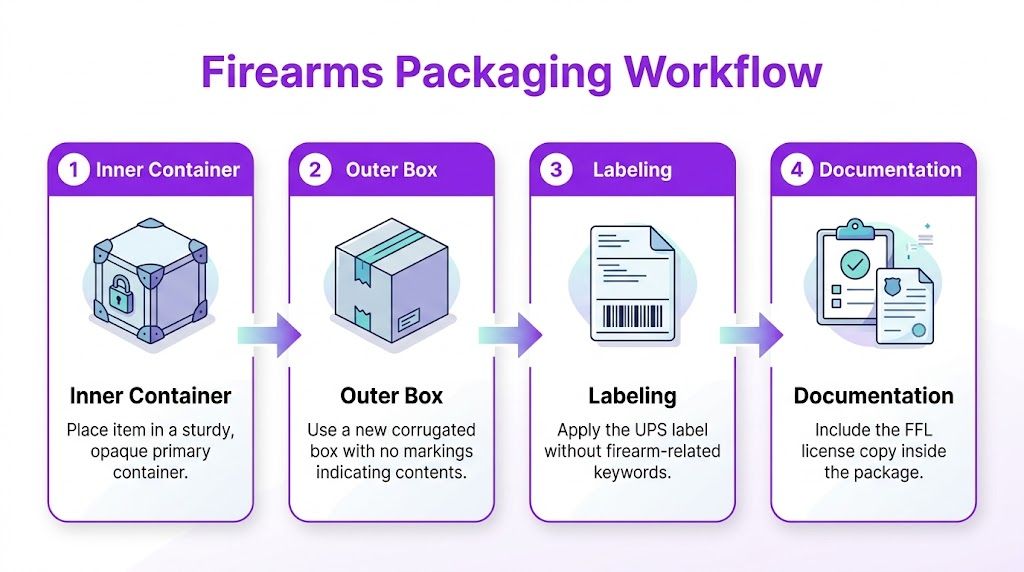
Build a packing bench checklist
The safest approach is a written workflow at the bench. Staff shouldn't pack regulated products from memory.
-
Clear the workstation
Only the shipment being packed should be on the table. That prevents accessory swaps, serial confusion, and paperwork mix-ups.
-
Use an inner container
Place the item in a sturdy, opaque primary container so it doesn't shift freely inside the outer box. Movement creates damage risk and invites rough handling problems later.
-
Use a new outer corrugated box
The outer carton should be plain and structurally sound. Don't use packaging that suggests firearms, ammunition, tactical gear, or anything similar.
-
Eliminate identifying markings
Remove or cover old labels, old barcodes, and any branding that creates confusion in transit.
Labeling rules that keep shipments clean
The label stage causes more mistakes than it should because staff often treat it as administrative, not compliance-critical.
Use the UPS-generated label tied to the approved shipment workflow. Keep the outside of the package free of firearm-related wording. Internal documents should support the transfer and recipient review process, but the exterior should stay neutral.
A practical packing standard looks like this:
- One current label only: Never leave legacy labels or scannable marks on the carton.
- No content hints: Avoid product names, abbreviations, or notes on the outside that reveal what's inside.
- Include internal documentation carefully: If your internal process calls for a license copy or transfer documents in the package, place them consistently so your team knows where to check.
Warehouses create problems when they optimize for speed before they standardize for consistency.
What not to do
Some mistakes show up over and over:
- Don't reuse branded manufacturer packaging as the shipping carton
- Don't toss accessories and paperwork in loosely
- Don't let packers decide ad hoc box sizes
- Don't mix ammunition into the same package
- Don't handwrite notes on the outer box
The workflow that holds up under pressure
If you're shipping firearms UPS at any meaningful volume, the goal is repeatability. A temporary employee, a rush period, or a late-afternoon backlog shouldn't change the package quality.
The stores that stay out of trouble do three simple things. They standardize box choices, keep a printed regulated-shipment checklist at the bench, and require a second look before label application on firearm orders. That extra discipline doesn't slow the operation much. It prevents small handling mistakes from becoming rejected shipments or much worse.
Navigating UPS Policies for Ammunition and Parts
Ammunition and parts are where many WooCommerce stores get sloppy because they aren't complete firearms. That's exactly why they need separate handling rules.
The first category is ammunition. The second is firearm parts. They sound related, but UPS treats them differently, and your store should too.
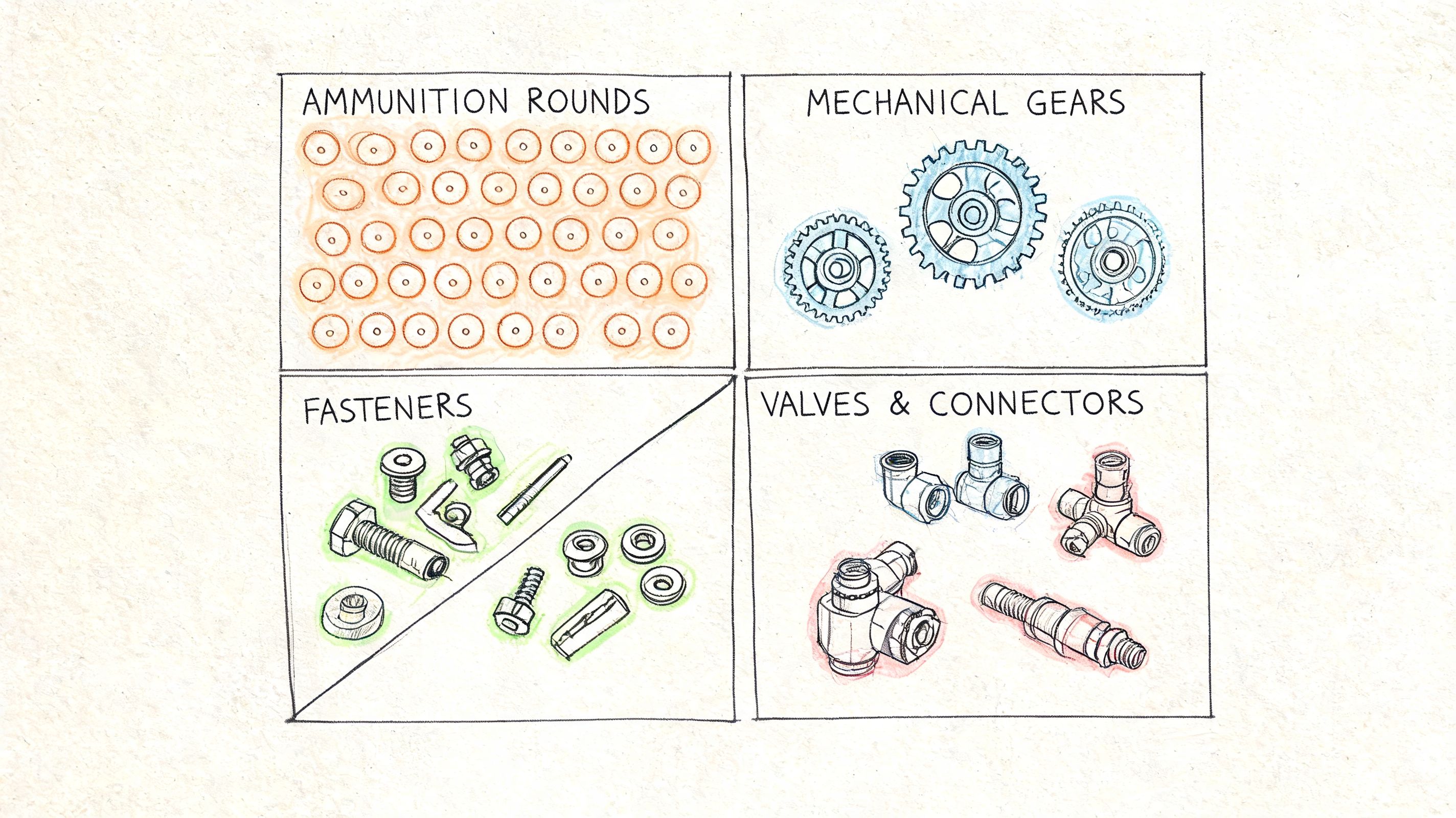
Ammunition has its own lane
UPS accepts “cartridges, small arms” ammunition via Ground service if the gross package weight is under 66 lbs (30 kg) and it is labeled under 49 CFR Part 172, according to the UPS firearm products and prohibited items policy page.
That should immediately change how you build your catalog and cart logic. Ammunition isn't just another restricted product. It has packaging, labeling, and shipment composition issues that need their own rule set.
Use a separate fulfillment workflow for ammo orders and review your carrier options against this comparison of UPS, FedEx, and USPS ammunition shipping rules.
Parts create the gray area
UPS defines Firearm Products to include parts like barrels and magazines, restricting shipment to FFLs with agreements, and the same UPS policy page notes that ambiguity remains for non-serialized parts, which creates confusion and rejected shipments.
That ambiguity is where stores get hurt.
A merchant sees “part” and assumes lower risk. But from an operations standpoint, some parts still belong in your regulated workflow because UPS may treat them as restricted firearm products. If your catalog lumps every accessory, component, and regulated part into one broad “parts” category, your checkout logic won't be precise enough.
Some of the hardest compliance problems aren't black and white. They're gray areas that need conservative handling rules.
A practical decision model
Use three internal product groups, even if the customer never sees them:
| Product group | Handling approach |
|---|---|
| Ammunition | Ground-only workflow with package weight and labeling controls |
| Clearly restricted firearm parts | Treat as regulated Firearm Products under your UPS agreement |
| Ambiguous non-serialized parts | Flag for manual policy review before release if your rules aren't explicit |
That structure helps your team avoid two bad outcomes. First, sending restricted parts through a casual workflow. Second, overblocking every harmless accessory and creating unnecessary cancellations.
What works in real stores
The stores with the fewest shipment disputes don't rely on broad category names. They tag products based on fulfillment treatment.
That means your product data should answer these questions before the order reaches shipping:
- Is it ammunition?
- Is it a part UPS may treat as a Firearm Product?
- Does it require special packaging or weight review?
- Should this item be barred from mixed-package handling?
If the answer lives only in a staff member's head, the process won't hold once volume increases.
Automating UPS Compliance in Your WooCommerce Store
Manual review feels responsible when volume is low. It also fails exactly when you need reliability most.
A WooCommerce firearms store has too many moving parts for clipboard compliance. Product type, destination restrictions, receiving FFL requirements, carrier limitations, and staff handoffs all collide in one order flow. If your system waits for someone to catch problems after checkout, you're accepting risk on every regulated transaction.
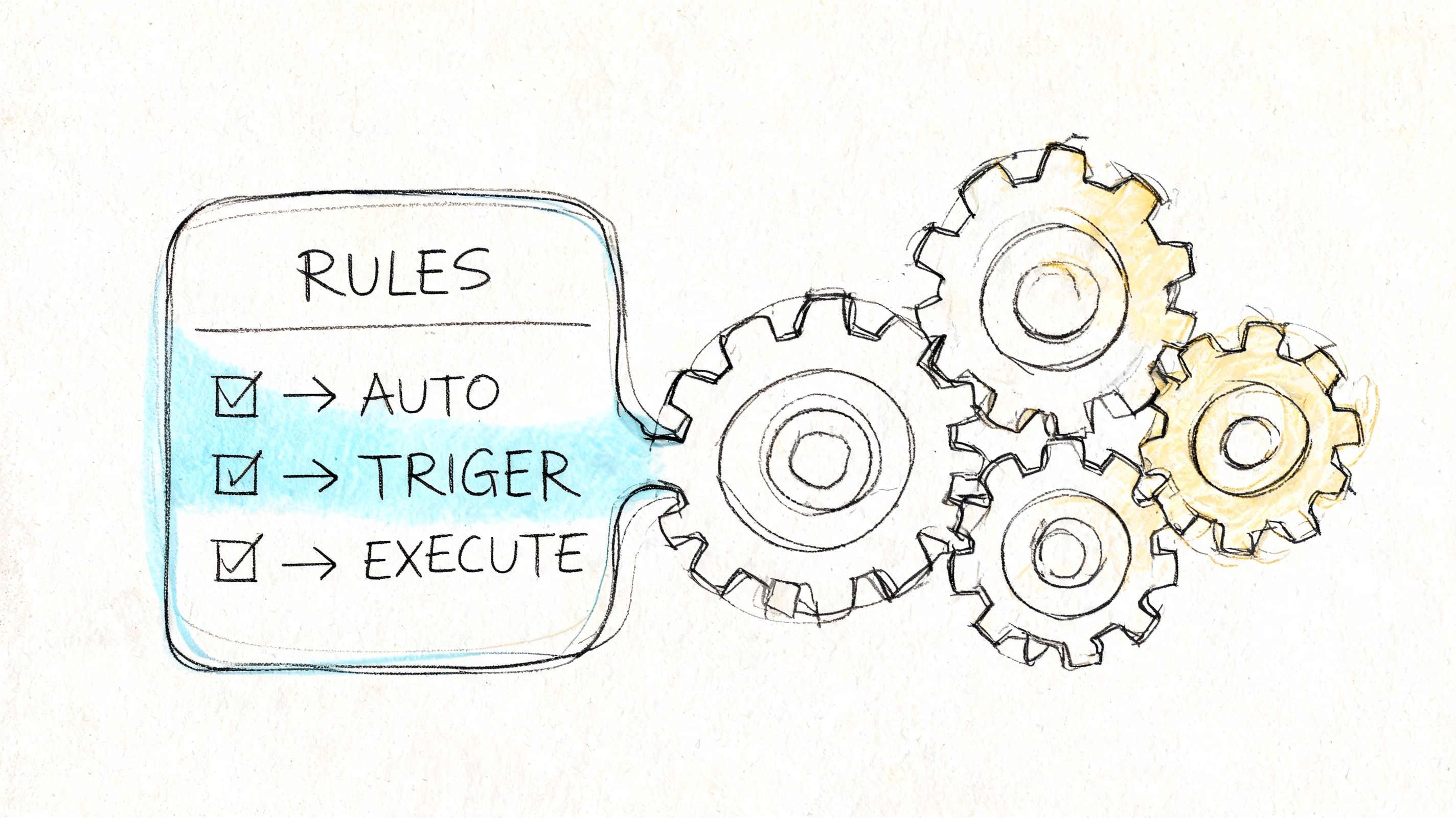
Of the 4,082 ATF gun trafficking investigations identified between 2017 and 2021 where transportation was known, 179 investigations, or 4.4 percent, involved common carriers such as UPS and FedEx, according to this summary discussing ATF trafficking data and common carriers. For a WooCommerce merchant, that's enough to treat shipping controls as a frontline compliance function, not an administrative detail.
What automation should do before checkout
Good automation doesn't just block obviously illegal orders. It enforces your business rules at the point where mistakes are cheapest to prevent.
That means your store should be able to:
- Block restricted destinations by state, county, city, or ZIP
- Hide invalid shipping methods based on product type
- Separate firearm, ammo, and parts workflows
- Require the right information before an order reaches staff review
If you're still evaluating store-level controls, this overview of firearms and ammunition shipping compliance for WooCommerce stores is a useful reference point.
What manual review misses
A human reviewer can catch a lot. A human reviewer also gets tired, rushed, and interrupted.
Three common failures show up again and again:
-
The address looks acceptable at a glance
Staff clears the order, but a local restriction or internal policy should have blocked it.
-
The product category isn't mapped to shipping logic
The system offers a method the warehouse shouldn't use, and the team has to unwind the order later.
-
Customer support creates exceptions
An agent tries to save a sale by overriding the standard process without seeing the full compliance picture.
Automated restrictions don't replace judgment. They reserve judgment for the few orders that actually need it.
A short product walkthrough makes the point better than another paragraph:
<iframe width="100%" style="aspect-ratio: 16 / 9;" src="https://www.youtube.com/embed/fqZIKjuQ8y8" frameborder="0" allow="autoplay; encrypted-media" allowfullscreen></iframe>The workflow serious merchants build
The best setup is layered.
First, the catalog carries compliance attributes that distinguish firearms, ammunition, and sensitive parts. Next, checkout validates destination and shipping eligibility. Then regulated orders enter a review queue with clear staff tasks instead of vague notes. Finally, shipping labels are created only after the order has passed the rule engine and recipient review.
That model scales because it removes guesswork. It also reduces friction for legitimate customers. They see accurate options, clearer messages, and fewer post-purchase reversals.
For shipping firearms UPS, automation isn't a convenience feature. It's the only practical way to enforce the same standards on your busiest day that you enforce on your quietest one.
Frequently Asked Questions on UPS Firearm Shipments
The questions below usually come from edge cases, inherited habits, or customer assumptions that no longer match current UPS policy.
Can a private individual ship a firearm through UPS
No. Since the August 2022 policy change, private sellers cannot directly use UPS for firearm shipments. The compliant path is to use a local FFL as an intermediary, who then ships the firearm to the recipient's FFL, as described by The Firearm Firm's explanation of the post-2022 UPS policy.
That matters even if the person believes the transfer itself is lawful. Carrier policy is a separate gate.
What does the FFL intermediary process involve
The same source notes that using a local FFL intermediary adds $75 to $150 in total fees and requires a Form 4473 transfer. For private parties, that's the practical workaround if UPS isn't available directly.
From a merchant perspective, this comes up when customers ask whether they can send a return, trade-in, or consignment firearm straight to you through UPS on their own. Under current UPS policy, that assumption is risky. Give them a written process and point them to a local FFL.
Can I drop a firearm package at any UPS location
You shouldn't assume every UPS-branded counter or retail point will handle the shipment the same way. Firearm shipping is tied to the approved UPS agreement and controlled workflow, so your staff should use the acceptance process authorized for your account.
If your operation leaves this to individual employee judgment, you'll eventually get inconsistent handling.
What if a shipment is lost, delayed, or damaged
Treat it as a compliance event, not just a customer service ticket.
Create an internal escalation path that covers:
- Order record review
- Tracking review
- Recipient FFL contact
- Carrier claim handling
- Management notification
The mistake many stores make is splitting these tasks across support, shipping, and sales with no clear owner. One person should coordinate the response.
Should the store allow customers to choose their own shipping method
Not for regulated products. For shipping firearms UPS, customer choice should stop where compliance begins.
Use controlled shipping logic. The site should present only the methods your process allows for that product and destination combination. If a method isn't compliant for the item, the customer should never see it.
The smoothest firearm orders are usually the ones where the customer never had a chance to choose a bad option.
Can ammunition and firearms go in the same package
Operationally, keep them separate. Combining regulated categories creates unnecessary rejection risk and avoidable confusion at the packing bench.
Stores that separate these workflows early have cleaner labels, cleaner documentation, and fewer fulfillment errors.
If your WooCommerce store sells firearms, ammunition, or regulated parts, Ship Restrict gives you a practical way to enforce shipping rules before checkout instead of relying on manual review after the fact. You can block restricted destinations by state, county, city, or ZIP, limit methods by product type, and turn a fragile compliance process into a repeatable system your team can actually maintain.
Automate FFL Shipping Compliance
Stop worrying about restricted states. Ship Restrict handles it automatically.

Cody Yurk
Founder and Lead Developer of ShipRestrict, helping e-commerce businesses navigate complex shipping regulations for regulated products. Ecommerce store owner turned developer.
Automate FFL Compliance
- Block restricted states
- No more cancellations
- Set and forget
3-day free trial · Card required